
Introduction: A Close-Knit Community With Deep Roots
Tucked in the heart of the town of Colonie, Roessleville is a neighborhood whose warmth and history are palpable with every stroll down Central Avenue or every gathering at a local park. Often overshadowed by larger areas, Roessleville is a treasure trove of stories—each block echoing the lives, change, and steadfast community spirit that have shaped this corner of New York’s Capital Region. As a longtime resident myself, I’m honored to reflect on the distinct history and evolving character of this beloved neighborhood.
Origins: From Rural Farmland to Suburban Heart
Roessleville’s beginnings date back to the early 19th century when the area was predominantly farmland, part of the vast Pine Bush region that once stretched across much of central Albany County. The area attracted German and Dutch settlers whose hardy spirit and agricultural know-how set the tone for the practical, hardworking ethos that continues to define Roessleville.
In these early years, Central Avenue—now a bustling artery of shops and services—was little more than a country road known as the Albany-Schenectady Turnpike. The neighborhood grew up alongside this key route, which spurred economic activity and encouraged families to settle along its length. The turnpike tollhouse, once near the intersection with Osborne Road, was a local landmark and sign of the area's growing importance.
What's In a Name? The Story Behind "Roessleville"
The neighborhood’s distinctive name pays homage to Dr. William W. Roessle, a prominent local physician and public servant of the late 19th and early 20th centuries. Dr. Roessle was not only a beloved doctor but also an active participant in civic life—serving as Albany County Coroner and leaving a positive mark on the community. In recognition of his service and dedication, the area surrounding Central Avenue and Osborne Road gradually became known as Roessleville.
Landmarks and Institutions: Anchors of Community Identity
- Roessleville Elementary School: Fittingly named to honor the neighborhood’s heritage, Roessleville Elementary is not just an educational institution but a community hub. The school’s cheerful presence on Sand Creek Road welcomes generations of families and propels the area’s strong emphasis on learning and togetherness.
- St. Matthew’s Catholic Church: A fixture on Mountainview Avenue, the church has long been a center for worship and social gatherings. Its striking brick construction and warm interior have hosted christenings, weddings, and community celebrations that are woven into the fabric of Roessleville life.
- Colonie Center Mall: While technically just outside the neighborhood core, the opening of Colonie Center in 1966 was a local milestone. Many Roessleville families recall Saturday outings to what was then the largest enclosed mall in the region — a symbol of Colonie’s mid-20th-century suburban boom and a backdrop for everything from first jobs to first dates.
- Sand Creek: Although largely hidden today, Sand Creek winds quietly through Roessleville, a gentle reminder of the area’s pastoral past. Historic maps show the creek, which once nourished orchards and farms, forming a natural backbone for the community as it transitioned from rural to suburban.
Neighborhood Evolution: Growth, Diversity, and Resilience
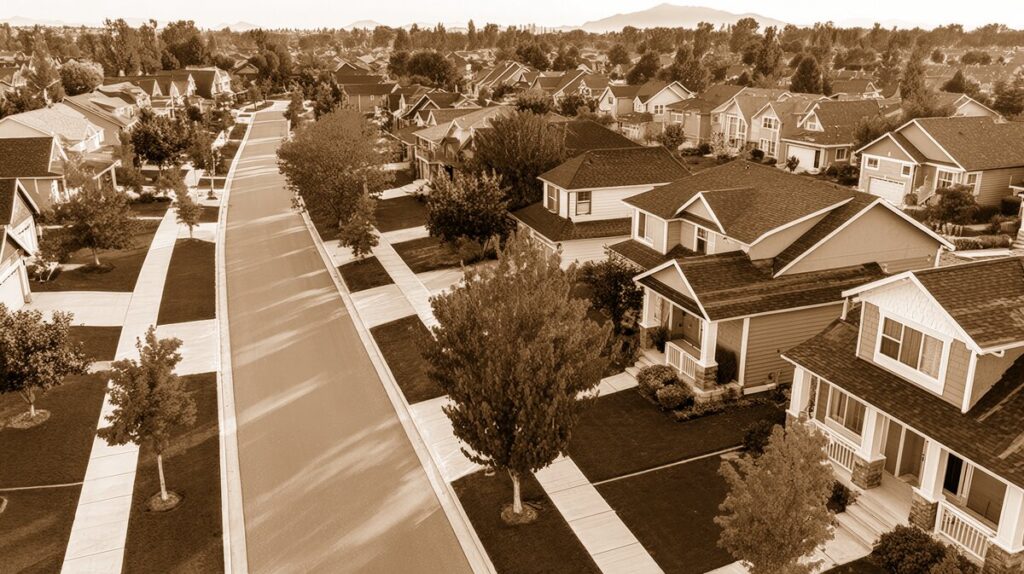
The decades following World War II brought profound changes. As returning veterans and their families sought new homes, the open fields around Roessleville were transformed into quiet, leafy subdivisions. Streets like Jeanette Street, Parkwood Drive, and Osborne Road filled with modest ranch homes and split-levels, many of which still stand today, their yards alive with the laughter of new generations.
- Postwar Suburbanization: Planners and developers laid out new cul-de-sacs and parks, forever altering the rural landscape. Central Avenue evolved from a sleepy main street into a commercial corridor, with diners (like the once-beloved Miss Albany Diner) and family-owned shops cropping up to serve the community.
- A Place for All: As immigration patterns shifted through the late 20th and early 21st centuries, Roessleville welcomed families from across the globe. Today, the neighborhood is a tapestry of cultures—a legacy visible in local stores, schools, and annual events that celebrate traditions from around the world.
- Community Spirit: Despite this evolution, Roessleville has maintained its sense of identity. Neighborhood associations, PTA groups, and informal block parties keep the spirit of earlier days alive. The neighborhood’s modest homes and well-tended gardens are a testament to neighbors who look out for each other, a value that Dr. Roessle would surely recognize.
Heritage Reflected: What Makes Roessleville Special
Ask any long-time resident, and you’ll hear stories about walking to school under towering maples, watching parades down Central Avenue, or sledding down the gentle hills of nearby parks. This lived experience, passed down through families and newcomers alike, is what truly sets Roessleville apart.
- Accessible to All: One of Roessleville’s enduring strengths is its accessibility. With major roads, public transportation, and ample green spaces like Cook Park nearby, the neighborhood remains both practical and welcoming.
- A Nexus of Past and Future: Efforts to honor heritage are visible—from the preservation of historic homes to programs at Roessleville Elementary School that teach students about local history. The heartbeat of Roessleville lies in its ongoing blend of tradition and possibility, a harmony that draws new neighbors while keeping lifelong residents rooted.
Conclusion: Roessleville’s Proud Legacy
The story of Roessleville is as much about quiet resilience as it is about dramatic change. It’s the story of a community built on farmland and shaped by the dreams of generations—neighbors who gather on porches, watch out for each other, and take pride in a shared sense of belonging.
If you find yourself driving down Central Avenue, take a moment to look beyond the storefronts and traffic. The true spirit of Roessleville is found in its homes, its history, and its people — a neighborhood with a proud past and a bright, ever-evolving future.